

Semi Formal, Lounge Suit, Smart Casual: Every Dress Code Decoded
The invitation says semi formal. Or lounge suit. Or smart casual. Here's what each dress code means for a man, from the most formal to the most relaxed.
- Words
- The Tramps team
- Reading time
- Six minutes
The trouble is that invitations use half a dozen dress codes, often loosely. So here’s the whole ladder, from the most formal to the most relaxed, with exactly what each one asks of you.
The dress code ladder at a glance
- White tie: tailcoat, white waistcoat, white bow tie. State occasions and the rarest balls.
- Black tie: dinner suit (tuxedo), black bow tie, black patent or polished shoes.
- Cocktail: a suit or sharp jacket and trousers, tie usually expected, room for personality.
- Semi formal / lounge suit: a business-weight suit, shirt and usually a tie.
- Business attire: a suit for the office; the tie depends on the workplace.
- Smart casual: a jacket optional, no tie, chinos or tailored trousers, smart shoes.
- Business casual: smart casual for the workplace; collared shirt, tailored trousers.
- Casual: anything clean and considered.
What does semi formal dress code mean?
Semi formal is the most common code on wedding, engagement and milestone-birthday invitations, and the one men overthink most. The answer is simple: wear a suit.
- The suit: navy, charcoal or mid-grey are the safe trio. Lighter greys, blues and even tan work in daytime and summer.
- The shirt: white or pale blue, pressed. A fine stripe or check is fine under a plain suit.
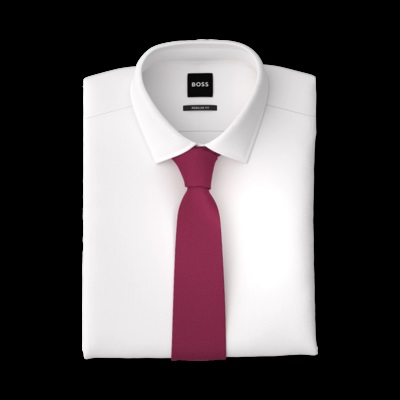
- The tie: expected in most cases, especially at weddings. A silk tie in a colour that picks up something in the shirt or suit.
- The shoes: polished leather. Black with charcoal and navy in the evening; brown with navy, grey and lighter suits in the day.
What semi formal doesn’t mean: a dinner suit (too formal), a blazer and jeans (too casual) or no jacket at all.
Semi formal by day and by night
Daytime semi formal can be lighter and brighter: a mid-blue or light grey suit, brown shoes, a tie with some colour. In the evening, darken it: navy or charcoal, black shoes, a deeper tie. The dress code doesn’t change; the shades do.
The best-dressed man at any event isn’t the most formal one. He’s the one who read the invitation correctly, and whose clothes fit.
What is a lounge suit?
A lounge suit is simply the British term for a regular business suit, as opposed to a morning suit or dinner suit. You’ll see “lounge suit” on more traditional invitations, and it means exactly what semi formal means: a two-piece suit, a shirt and tie, and leather shoes.
The name comes from the 19th century, when the lounge suit was the relaxed alternative to frock coats. Today it’s the backbone of formal-ish dressing. If you own one good navy lounge suit that fits properly, you’re covered for most of the invitations you’ll receive. Start with our suits.
Smart casual, decoded
Smart casual is the dress code people argue about most, because it covers so much ground. Think of it as: dressed up from the waist down, relaxed from the waist up, or the other way round. The aim is to look put together without wearing a suit and tie.
What works:
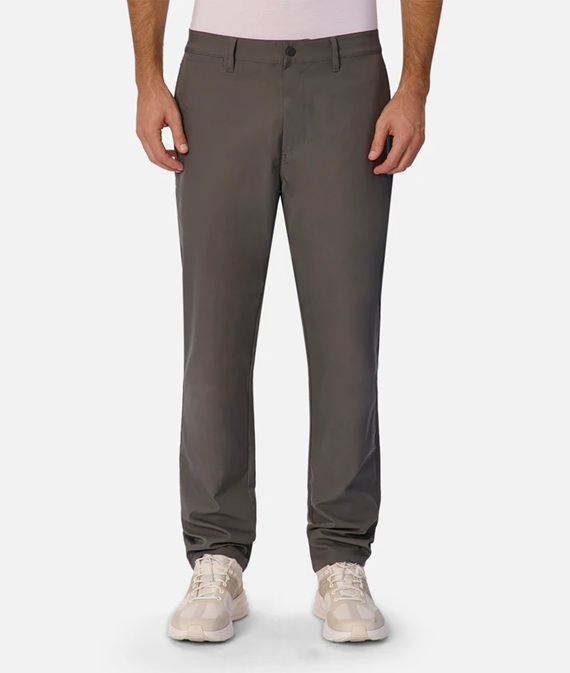
- Trousers: chinos, tailored trousers or very clean dark jeans, depending on the setting. See our chinos and pants.
- Tops: a crisp shirt, a polo, a fine knit or a good-quality plain tee under a jacket.
- A jacket, optionally: an unstructured blazer instantly makes smart casual look intentional.
- Shoes: loafers, suede derbies, clean leather sneakers or chelsea boots.
What doesn’t: sportswear, shorts (unless the invitation is explicitly relaxed and it’s summer), thongs, graphic tees and anything distressed.
The trick to smart casual is that one piece should always be clearly “smart”. A blazer, a pressed shirt, polished shoes. If nothing in the outfit is smart, it’s just casual.
Business casual
Business casual is smart casual with the office in mind, and it tends to sit a notch higher:
- Tailored trousers or chinos, never jeans unless the workplace clearly allows it.
- A collared shirt or a fine knit. A polo in more relaxed offices.
- A blazer for meetings, client visits and presentations.
- Leather shoes or very clean, minimal leather sneakers.
The test is simple: could you walk into an unexpected meeting with a client and look like you belong? If yes, it’s business casual. Our office edit has outfits that pass.
One wardrobe for every dress code below black tie
You don’t need a different outfit for every line on that ladder. A small, well-chosen set of pieces covers semi formal, lounge suit, smart casual and business casual, and most of them work together.
- A navy suit. The single most useful thing a man can own. Worn whole with a tie, it’s semi formal. The jacket alone over chinos or grey trousers is smart casual.
- A charcoal or mid-grey suit. Your second suit, and the darker evening option.
- Two shirts that do everything. One white, one pale blue, both with a collar that holds its shape under a jacket.
- Two ties. One deep (burgundy, navy or bottle green), one with a little colour or pattern for daytime.
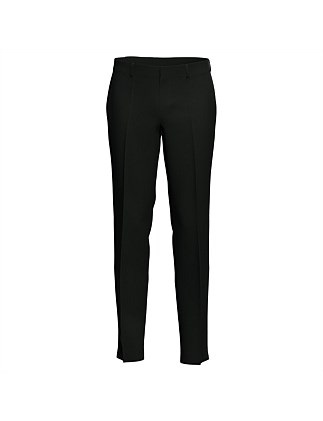
- Grey tailored trousers and a pair of chinos. They turn the suit jackets into separates.
- A fine merino knit. Navy or charcoal, thin enough to wear under a blazer.
- Two pairs of shoes. Black oxfords for evenings and formal events, brown loafers or suede derbies for everything else.
With those pieces, the question changes from “what do I own that fits this dress code?” to “which version do I want tonight?” That’s a much better question to have.
Getting the fit right
None of it works if it doesn’t fit. A suit should sit cleanly across the shoulders, the jacket should cover your seat, sleeves should show a little shirt cuff, and trousers should fall onto the shoe with little or no break. Off-the-rack pieces often need small adjustments to get there, and it’s worth doing: a well-fitted mid-priced suit looks better than an expensive one that doesn’t fit.
When the invitation is vague
“Dress to impress”, “smart” or simply nothing at all. When in doubt:
- Ask. Hosts would rather answer a text than have guests guess.
- Read the venue and the time. An evening event at a hotel is more formal than an afternoon at a brewery.
- Dress one step up. A jacket can come off; you can’t put on one you didn’t bring.
- Default to the lounge suit. A navy suit with an open collar and a tie in your pocket covers semi formal, smart casual and most things between.
You asked
Questions from the floorIs semi formal the same as cocktail?
They overlap, but cocktail usually allows a little more flair (separates, richer colours, bolder accessories), while semi formal is more conservative. A dark suit and tie is correct for both.
Do I need a tie for semi formal?
Usually, yes, especially at weddings and evening events. At a relaxed daytime function you can go without if the suit is sharp and most guests are open-collared.
Can I wear a black suit for semi formal?
Yes, particularly for an evening event. For daytime, navy or grey reads better.
Is smart casual a suit?
No. Smart casual means no tie and usually no full suit, but at least one clearly smart piece, such as a blazer, a pressed shirt or leather shoes.
What’s the difference between semi formal and black tie?
Black tie means a dinner suit and bow tie. Semi formal means a regular suit and a long tie. See our guide to the black tie dress code.
Not sure where your invitation sits? Book a fitting at Wollongong Mall, bring the invitation, and we’ll dress you for it.
Get it right, on the rail now.
Pieces that answer this guide, in store at 193 Crown St and here.

How to Tie a Tie: Four Knots Every Man Should Know
The Guides · 7 min read
Read enough? We'll dress you.
Tell our stylist where you're going and get a whole outfit in your size and budget. Free, and a few quick questions.